Destinations

From ancient temple cities to floating villages and vibrant night markets.

Angkor Wat

Built in the early 12th century as a Hindu temple dedicated to Vishnu, Angkor Wat gradually transformed into a Buddhist site. Its five lotus-bud towers symbolize Mount Meru, and the outer gallery walls are covered in extraordinary bas-reliefs.

Top tip: Arrive before 5:00 AM to secure a front-row spot for sunrise, then continue clockwise to avoid the midday crowds.

View sunrise tours
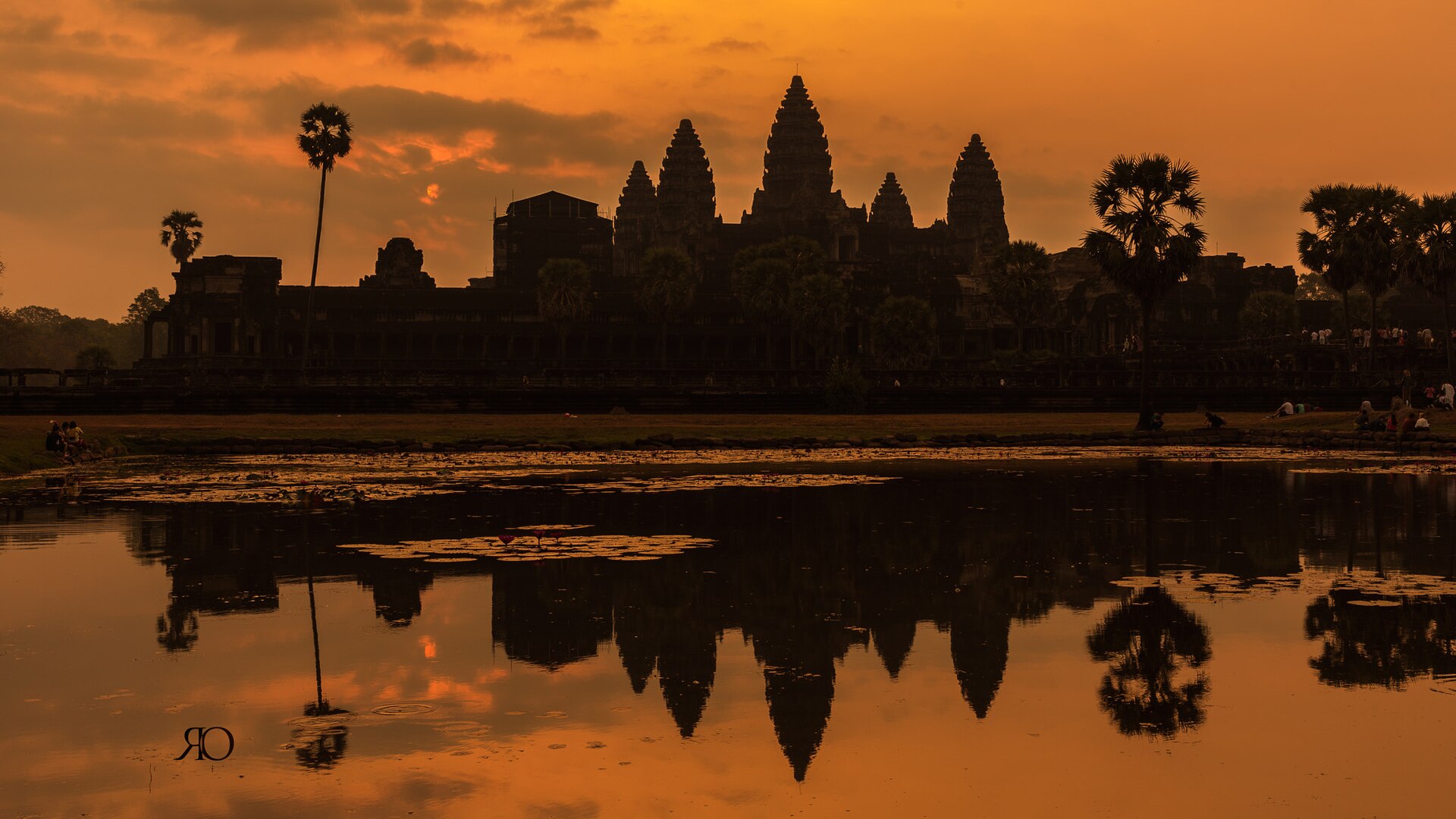
Angkor Wat reflected at sunrise

Bayon Temple

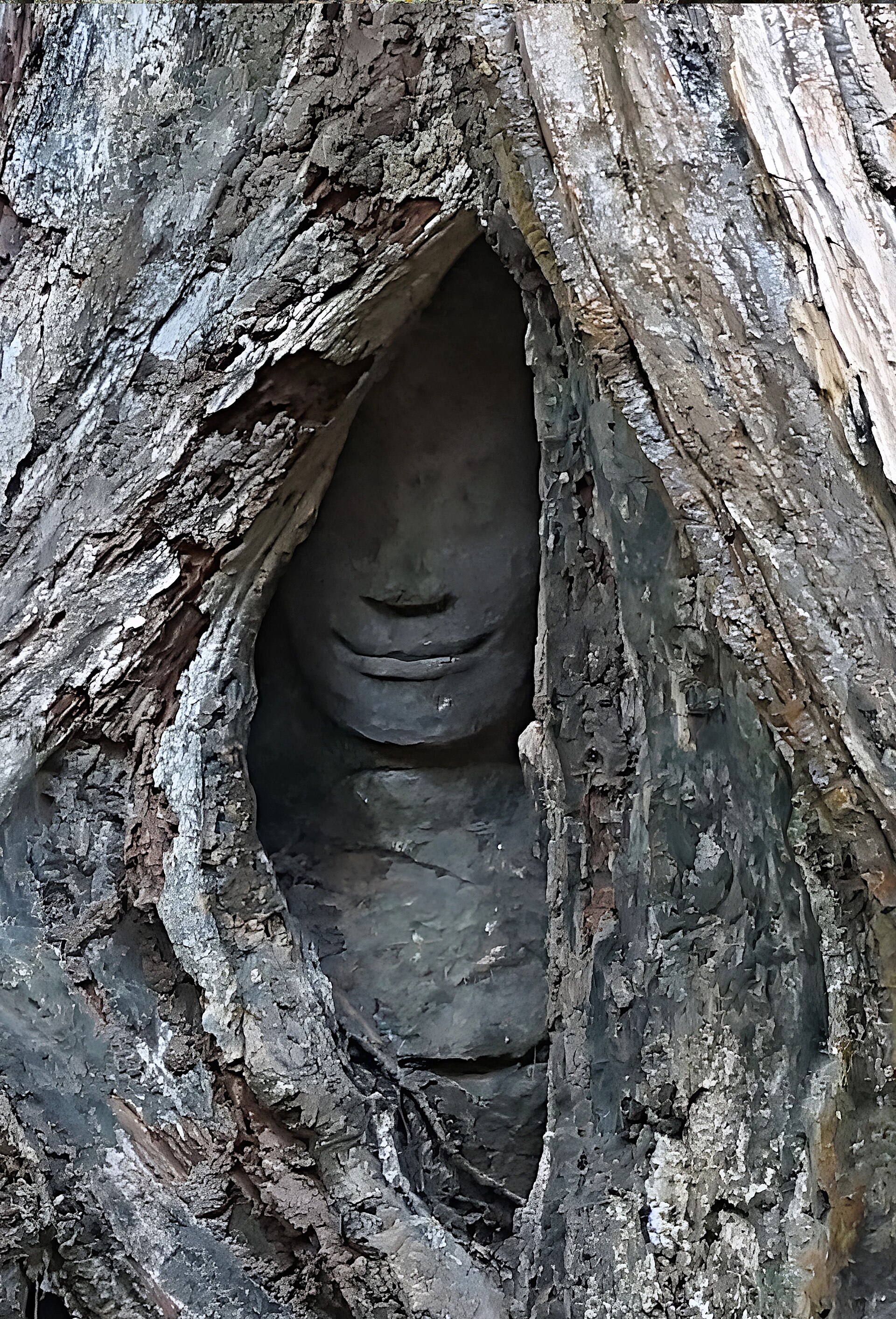
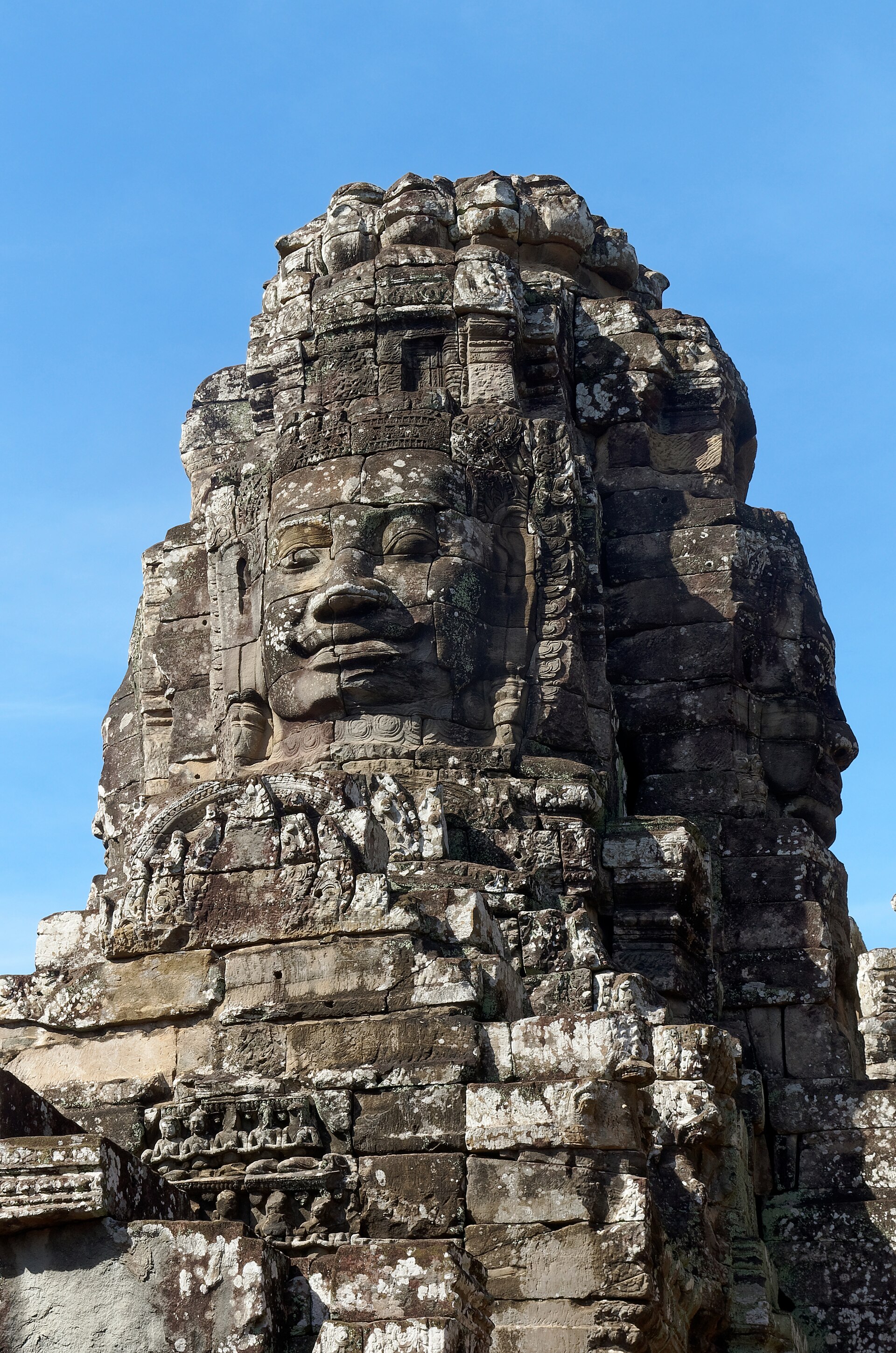
At the heart of Angkor Thom, Bayon is instantly recognizable for its 216 enigmatic smiling faces. The temple's compact corridors and detailed carvings make it one of the most atmospheric sites in the Angkor Archaeological Park.

Best time: Late afternoon, when the low sun lights up the faces and the crowds thin out.

View Angkor Thom tours
Smiling stone faces at Bayon Temple

Ta Prohm

Left in much the same state as when it was discovered, Ta Prohm is famous for the massive tree roots that straddle its walls. It was featured in the movie Tomb Raider and feels like a lost city reclaimed by the jungle.

Photography tip: The eastern entrance is less crowded and offers dramatic root-and-ruin compositions.

View temple tours
Tree roots over Ta Prohm temple

Tonlé Sap Lake

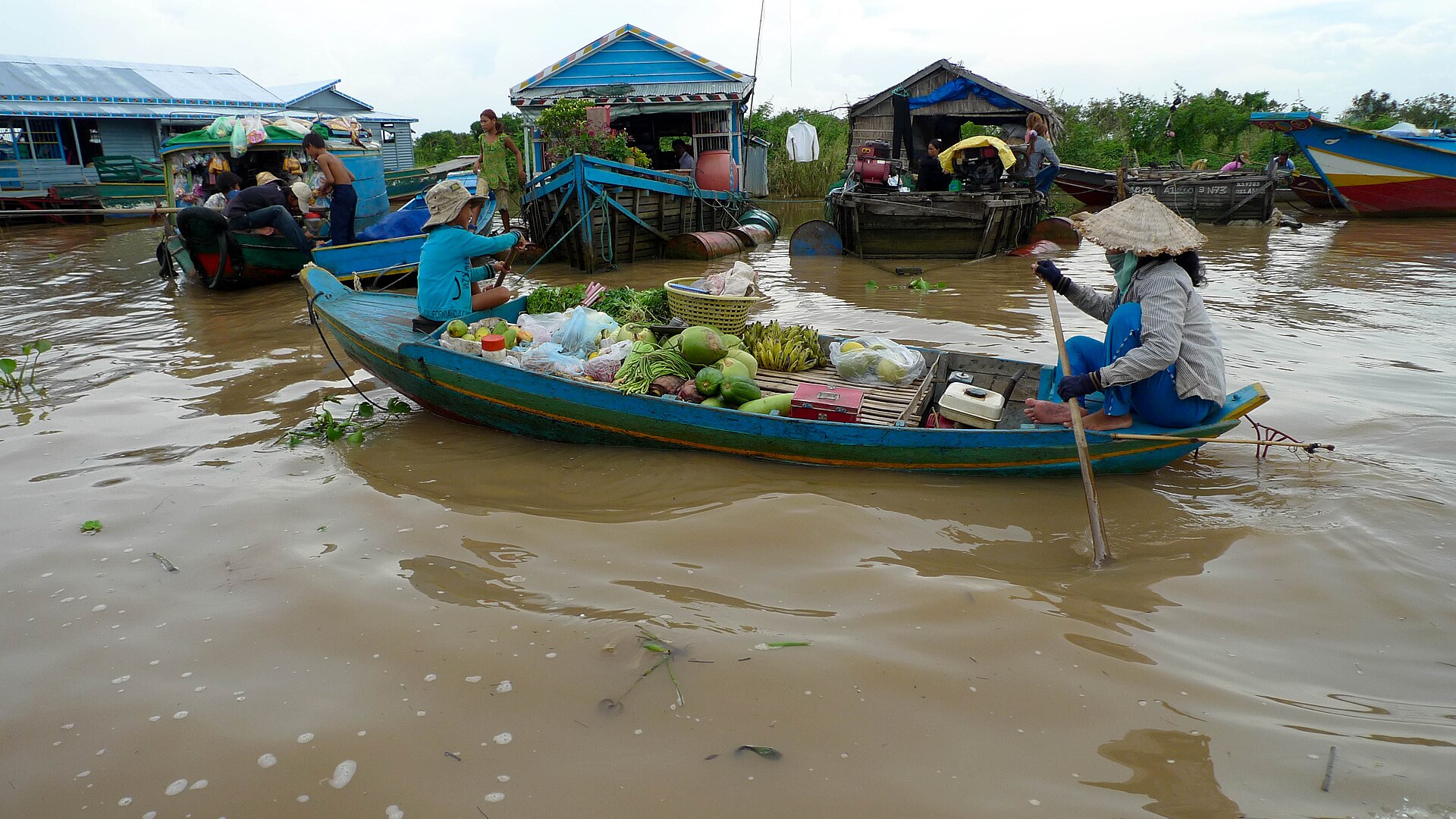
Southeast Asia's largest freshwater lake expands dramatically during the monsoon. Visit floating villages like Kampong Phluk or Mechrey, birdwatch at Prek Toal, and learn how communities have adapted to the lake's seasonal rhythms.

Responsible travel: Choose community-run boat tours that directly benefit local families.

View lake tours
Floating village on Tonlé Sap lake

Siem Reap City & Pub Street

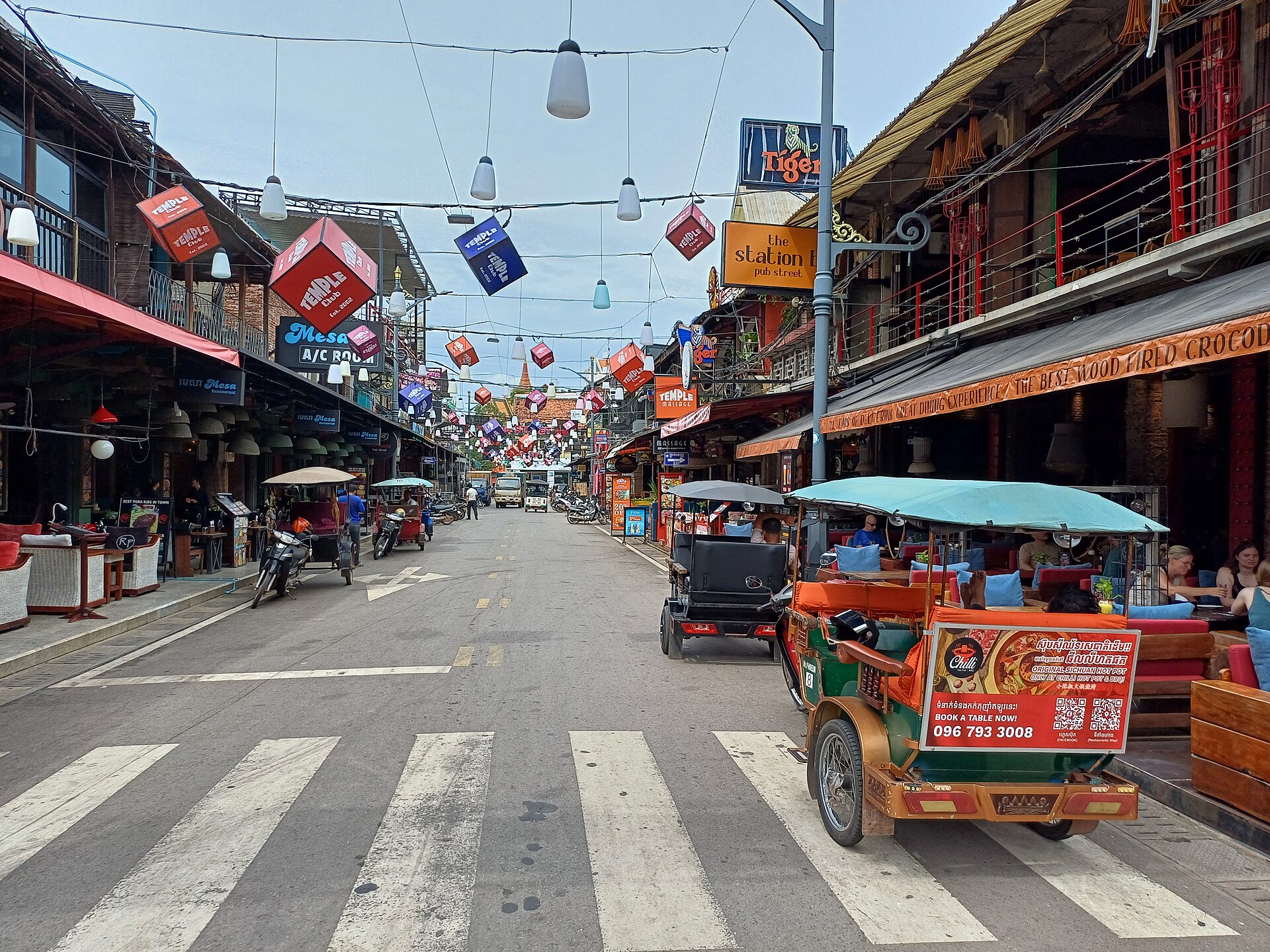
After temple-hopping, unwind in Siem Reap's lively Old Market and Pub Street areas. You'll find Khmer barbecue stalls, rooftop bars, night markets, spas, and easy access to tuk-tuks for late-night exploring.

Don't miss: The Made in Cambodia Market for locally crafted souvenirs and fair-trade goods.

City guide
Pub Street in Siem Reap at night

Kampong Phluk Floating Village

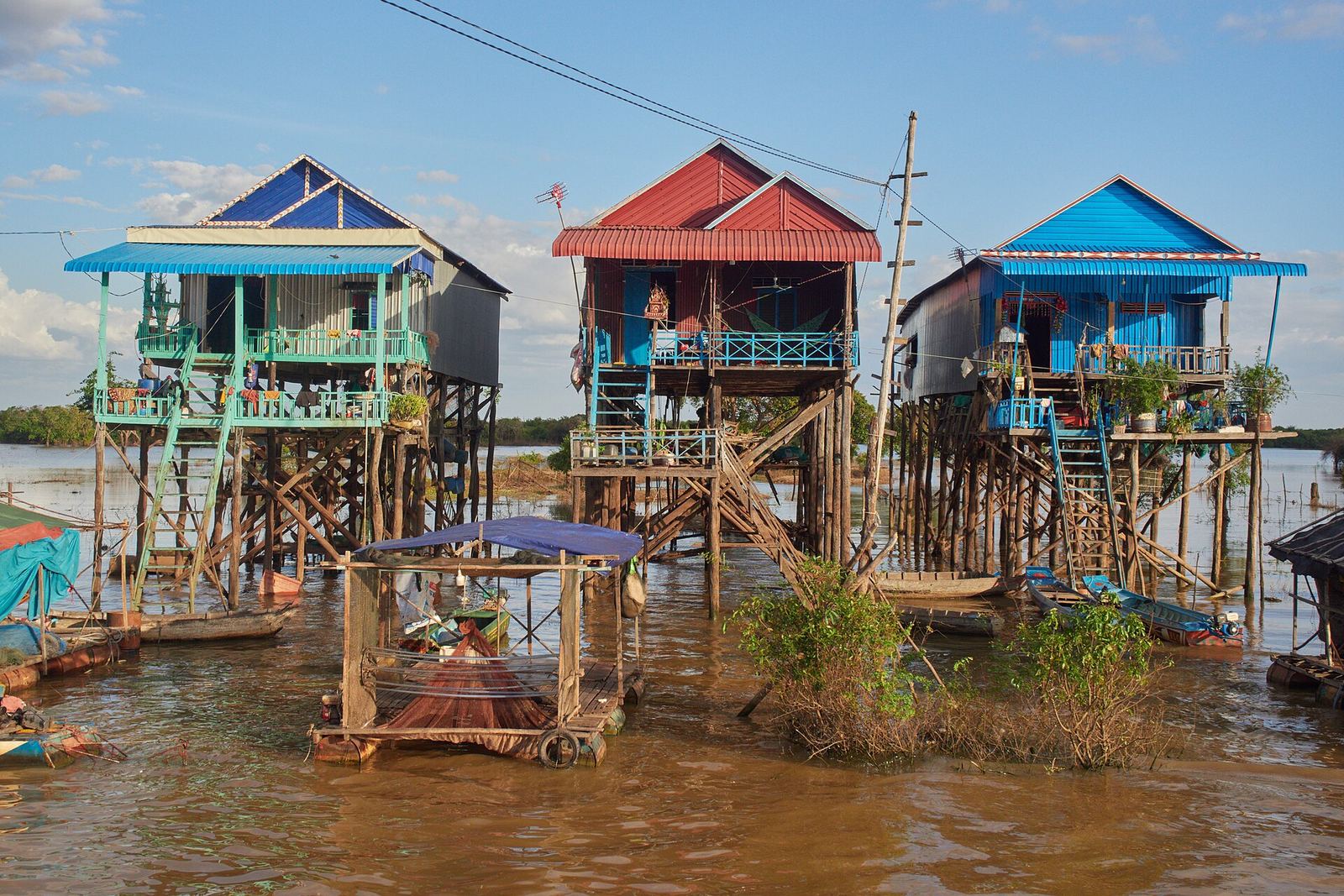
A stilt-house fishing village on the edge of Tonlé Sap, Kampong Phluk rises up to nine meters on wooden stilts to survive the lake's dramatic seasonal flooding. A boat trip through its flooded mangrove forest and past its stilted homes and school is one of the most memorable half-days outside the temples.

Top tip: Go with a community-based tour operator so your visit directly benefits the village rather than a middleman.

View Tonlé Sap tours
Stilt houses at Kampong Phluk floating village

Banteay Srei

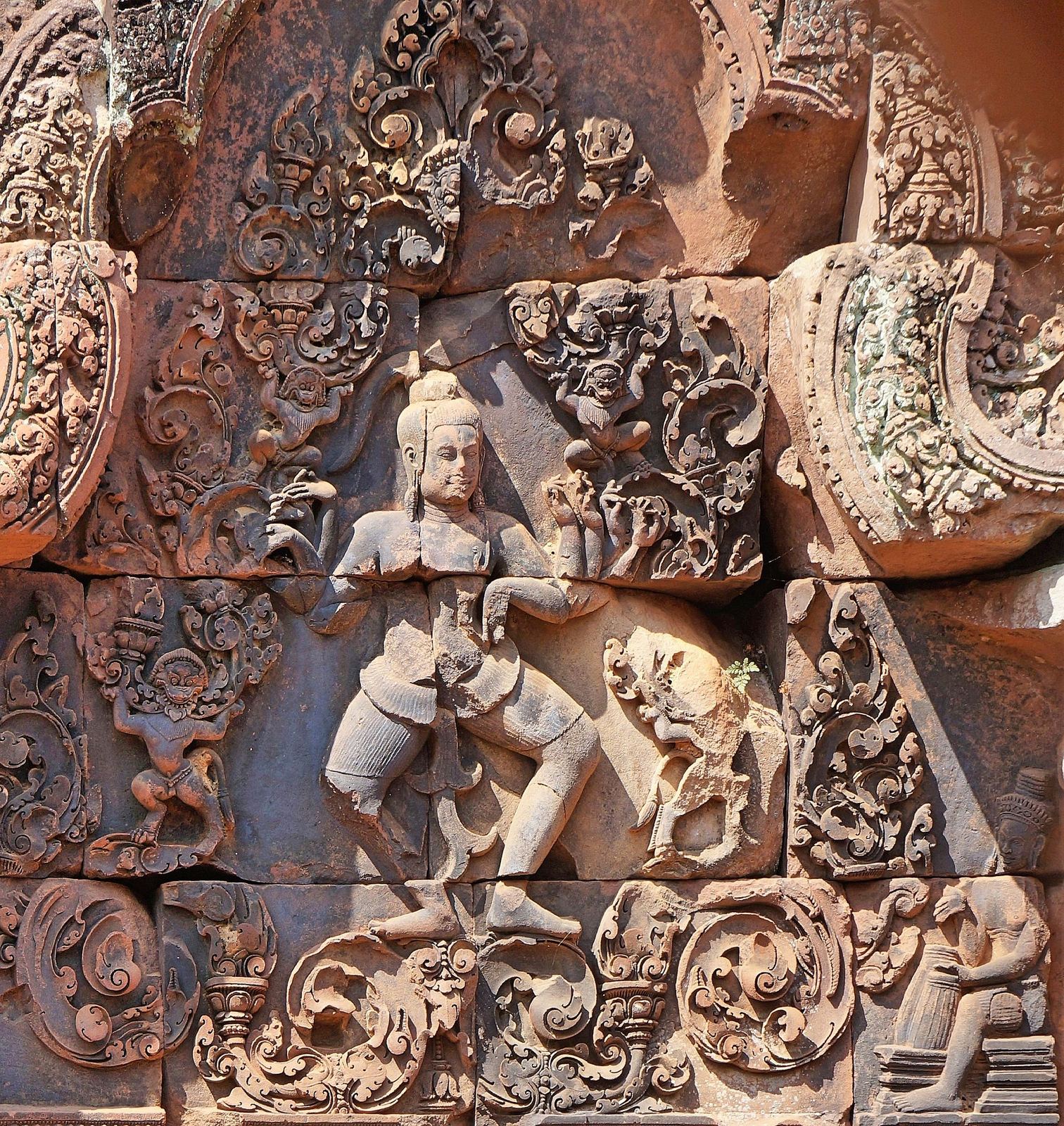
Known as the "Citadel of Women," Banteay Srei is built from pink sandstone and carved with some of the deepest, most intricate reliefs in the entire Angkor complex. It's smaller than the main temples but often considered the most beautiful up close.

Top tip: It's about 25km from Siem Reap — pair it with Kbal Spean or Phnom Kulen for a full-day countryside itinerary.

View countryside tours
Intricate pink sandstone carvings at Banteay Srei

Beng Mealea

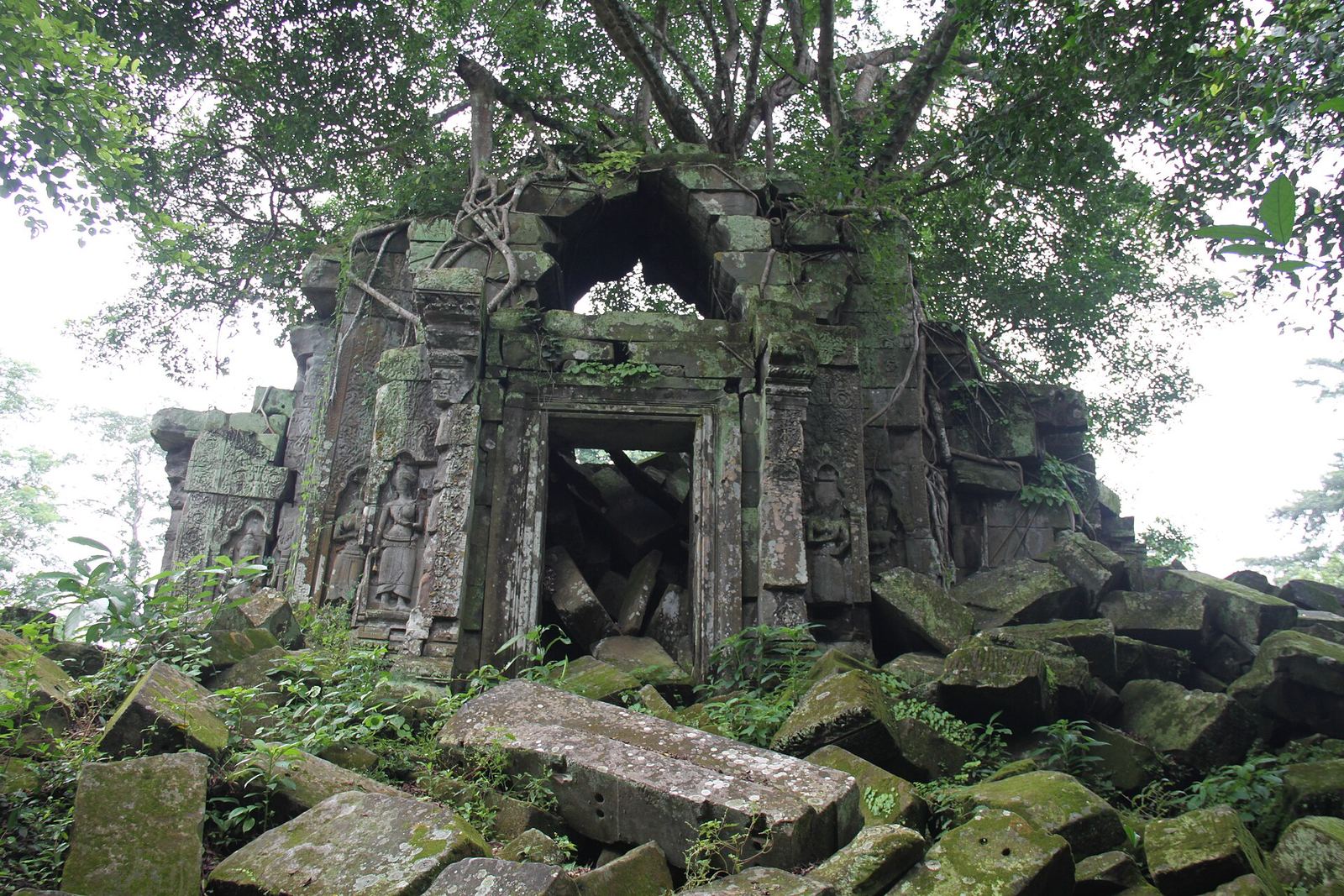
A vast, largely unrestored temple swallowed by jungle, Beng Mealea feels like Ta Prohm without the crowds or the walkways — visitors clamber over collapsed sandstone blocks and tangled roots much as early explorers did. It's roughly an hour's drive from Siem Reap.

Top tip: Wear sturdy shoes; the terrain is uneven and there's a lot of climbing over rubble.

View day-trip tours
Jungle-covered ruins at Beng Mealea temple

Kbal Spean (River of a Thousand Lingas)

A short jungle hike leads to a riverbed carved with hundreds of lingas and depictions of Hindu deities, believed to have been carved to bless the water flowing down to the Angkor plain. It's a refreshing change of pace from temple-hopping.

Top tip: The hike takes about 45 minutes each way over rocky, sometimes slippery terrain — bring water and good shoes.

View countryside tours
Carved riverbed at Kbal Spean, River of a Thousand Lingas

Phnom Kulen National Park

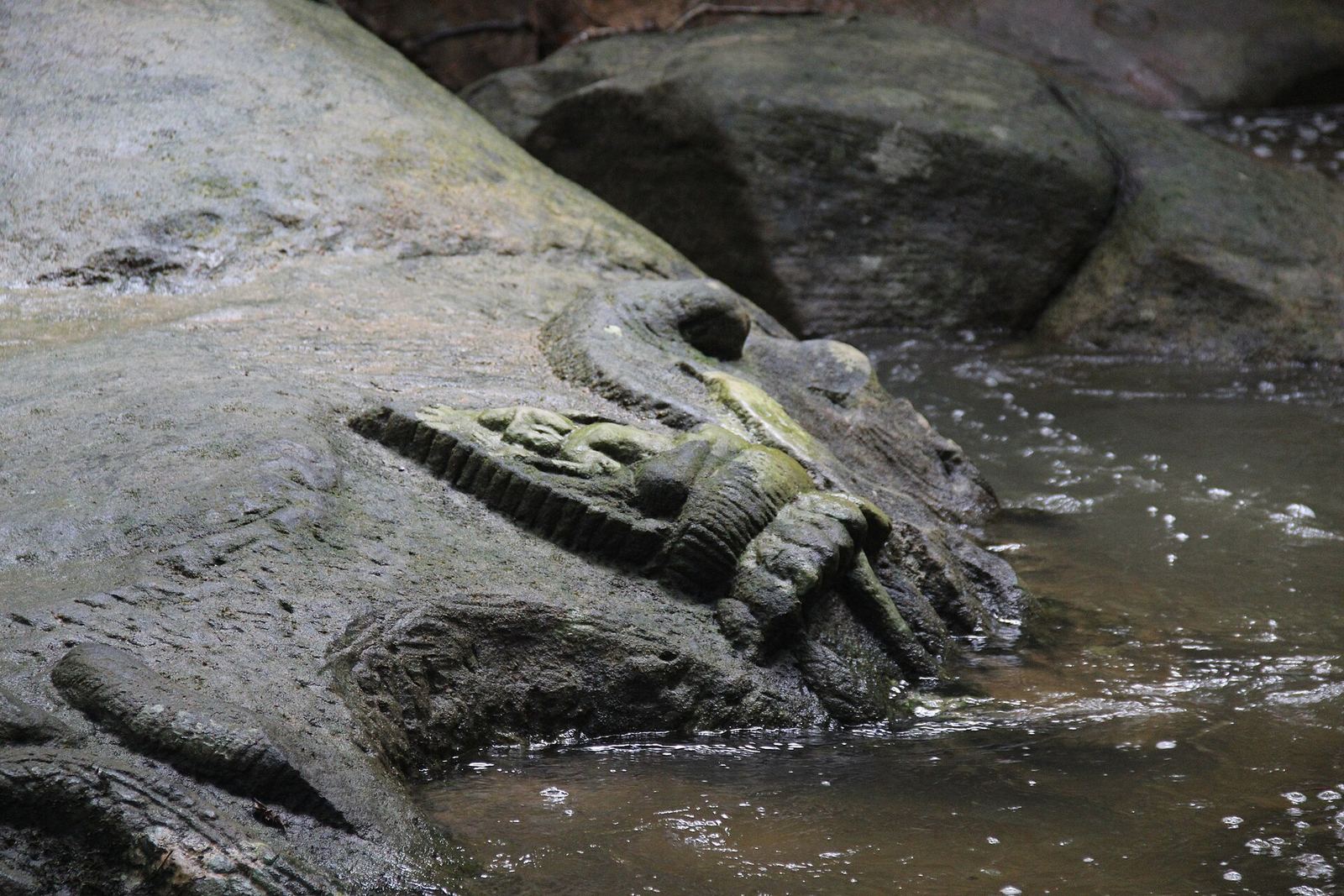
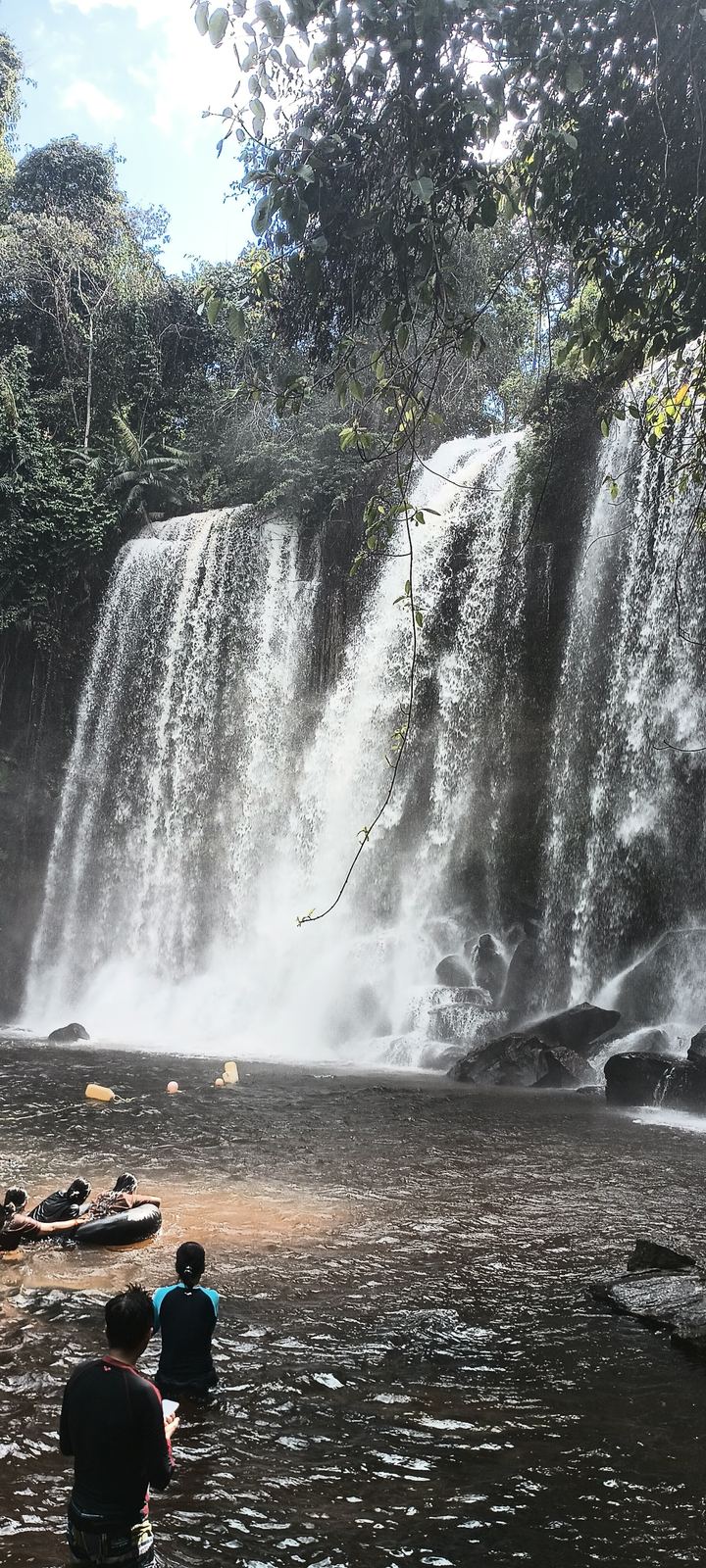
Considered the birthplace of the Khmer Empire, Phnom Kulen is a sacred mountain with a waterfall popular for swimming, a reclining Buddha carved into the riverbed rock, and forest trails away from the temple crowds. Many Cambodians visit as a pilgrimage as well as tourists for the waterfall.

Top tip: It's about a 1.5-hour drive from Siem Reap and requires a separate entrance fee from the Angkor pass — best combined with an early start.

View day-trip tours
Waterfall at Phnom Kulen National Park

Roluos Group (Bakong)

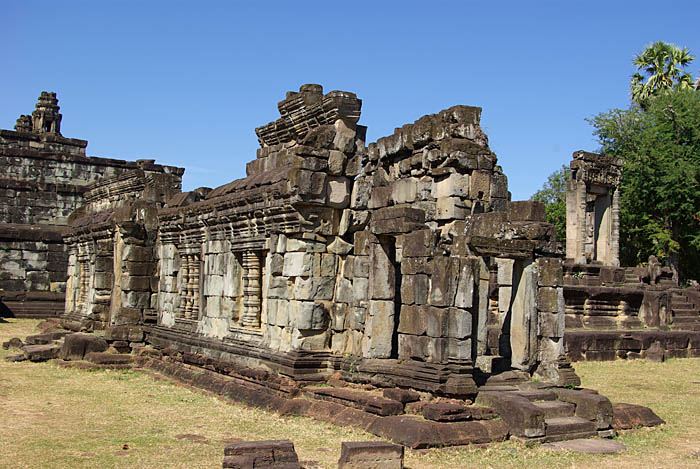
Predating Angkor Wat by roughly 200 years, the Roluos Group — especially the step-pyramid temple of Bakong — represents the earliest capital of the Khmer Empire and the architectural template later temples would build on. It's quieter and far less visited than the main Angkor circuit.

Top tip: Easy to combine with a half-day since it's only about 13km from Siem Reap, closer than most other outlying temples.

View countryside tours
Ancient brick and sandstone temple at Bakong, Roluos Group

Preah Dak Village

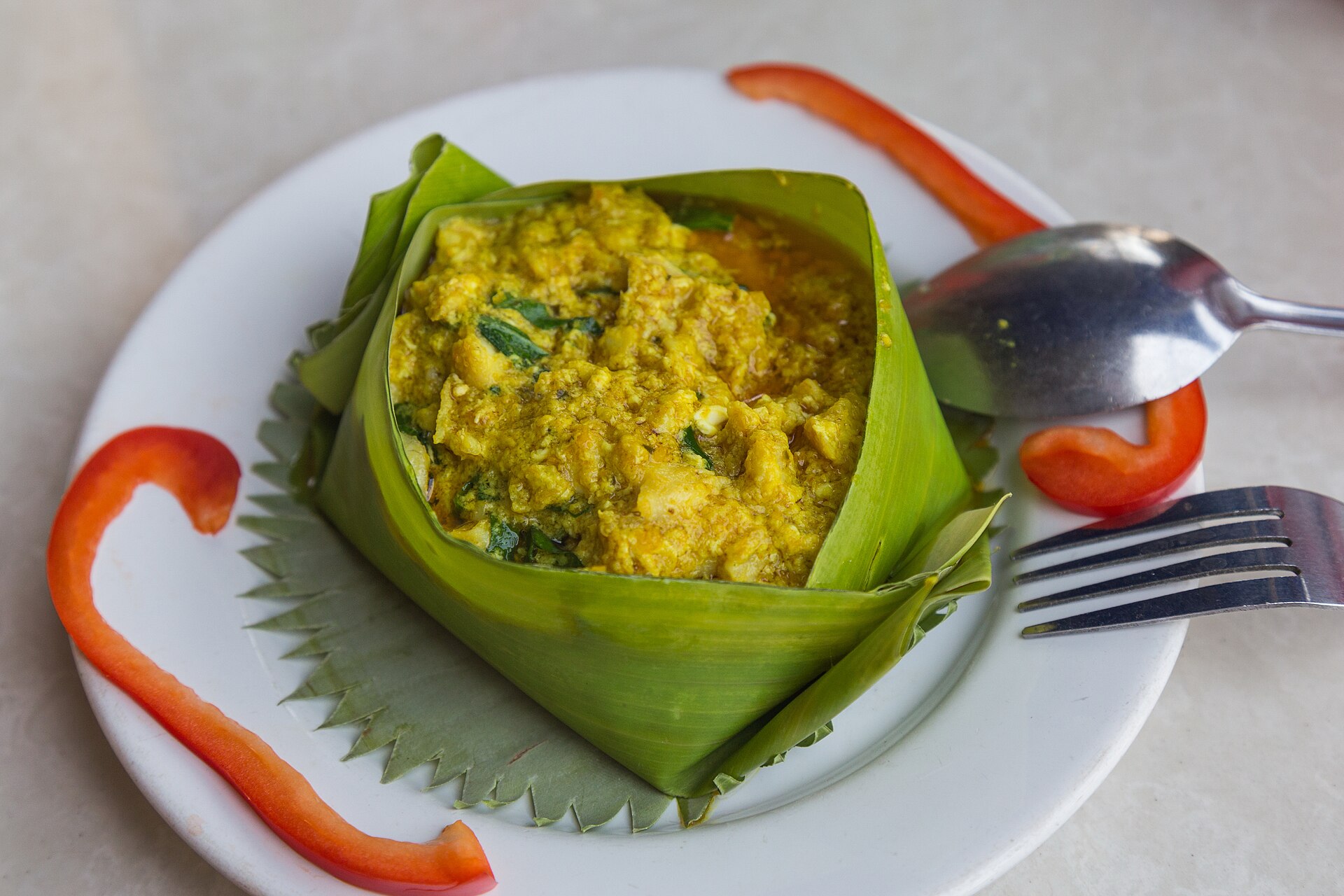
A roadside village on the way to Banteay Srei and the far temples, Preah Dak has been known for generations for its sugar palm products — soft steamed palm cakes (num thnaot) wrapped in banana leaf, and Khmer noodles (num banhchok). In recent years, grilled pork stalls have become a big draw too, packing the roadside with locals and tourists alike, especially around Khmer New Year.

Top tip: Stop here on the way to or from Banteay Srei or Kbal Spean rather than as a standalone trip — it's a roadside village, best enjoyed as a 20–30 minute food break.

See Siem Reap restaurants
Traditional Cambodian food, similar to what's found at Preah Dak's roadside stalls

Khmer Pub Street

A few kilometres from the tourist-oriented Pub Street, this stretch near National Highway 6 is where young Cambodians actually go for a night out — open-air beer gardens, Khmer drinking food (grilled meats, seafood fried rice, curries, noodles), karaoke, and a livelier, more local atmosphere than the backpacker strip downtown. It's open roughly 6pm–2am.

Top tip: Go with a local friend or guide if you can — menus are mostly in Khmer, and it's a much better experience shared with someone who can help order.

City guide
Siem Reap nightlife street scene